Source Eco Friendly Plastic Aquarium Filter for Tanks, Ponds, and Pools
Find 30 eco friendly plastic aquarium filter options for residential tanks, garden ponds, and commercial pools. Compare specifications like flow rate, material, and filtration type to select the right equipment for your water management needs; compare the available evidence and request quotations based on your requirements.
Key considerations
Products List
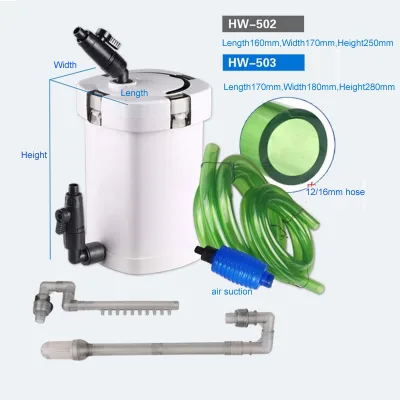


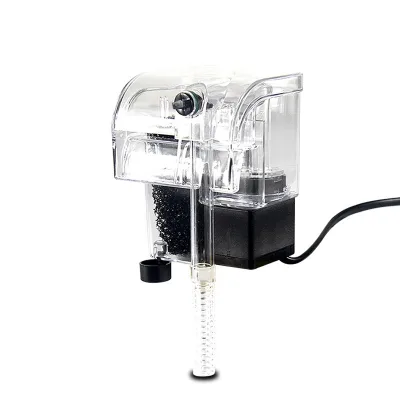


Comprehensive Sourcing Guide
Eco Friendly Plastic Aquarium Filter Sourcing Guide
Procuring eco-friendly plastic aquarium filters requires distinguishing between small-scale ornamental units and large commercial filtration systems. The market data indicates a diverse product range, from small plastic ornaments with built-in pumps to substantial fiberglass and stainless steel industrial units. Buyers must first clarify whether their need is for a residential tank accessory or a heavy-duty solution for commercial pools and aquaculture, as the material composition and performance metrics vary drastically between these categories.
Verification of the specific product type is essential before initiating contact with suppliers. While some listings highlight "eco-friendly" plastic media for small tanks, others describe high-volume sand filters or microfiltration machines designed for industrial agriculture. Understanding that the observed listings include both "Round" plastic items and "Vertical" fiberglass structures helps buyers avoid confusion. This distinction ensures that the procurement strategy aligns with the actual physical requirements of the intended aquatic environment.
Product Scope and Observed Listing Signals
The observed product scope reveals a wide spectrum of materials, including plastic, fiberglass, and stainless steel 304/316, each serving different filtration needs. Small units are often marketed as aquarium tank ornaments with built-in live water filters, whereas larger systems function as sand filters or microfiltration machines for commercial pools. Buyers should note that the "eco-friendly" attribute is explicitly linked to specific plastic items, while other high-capacity units rely on robust materials like fiberglass for structural integrity in high-pressure environments.
Listing signals also indicate significant variation in application, ranging from single-item retail sales to bulk commercial equipment. Some products are designed for specific pond sizes or fish loads, with flow rates extending up to 42 cubic meters per hour. The presence of customization options and various selling units suggests that suppliers can tailor solutions, but buyers must carefully match the listed "Single volume" and "Weight" data to their actual operational capacity to ensure the selected filter can handle the intended biological load without failure.
Technical Specifications to Verify
Technical verification must begin with the filter diameter and height, which are critical for fitting the unit into the designated space. The data shows specific dimensions ranging from 450mm to 1200mm in diameter and heights up to 1335mm, alongside corresponding pipe sizes that vary from 3 inches to 8 inches depending on the model series. Buyers must confirm that the selected model's physical footprint and connection ports align with their existing plumbing infrastructure to prevent installation delays or the need for costly adapters.
Performance metrics such as design flow, maximum working pressure, and temperature tolerance are equally vital for operational safety. The observed specifications include a maximum working pressure of 36psi and a temperature limit of 50 degrees Celsius, which define the operational envelope for these units. Additionally, the distinction between physical treatment methods and electric power motive forces requires careful selection based on the energy efficiency goals and the specific filtration mechanism, whether it is sand-based or microfiltration, to ensure the system meets the required water quality standards.
Compliance and Safety Documentation
Ensuring compliance involves verifying that the materials used, particularly plastics and stainless steels, meet safety standards for aquatic life. While the listings mention "High Standard" quality and "Eco-Friendly" features, buyers must request specific documentation confirming that the materials are non-toxic and safe for long-term immersion in aquarium or pool water. This is especially crucial for units intended for edible fish production or public swimming pools, where chemical leaching from plastics or corrosion of metal components could pose significant health risks.
Safety documentation should also cover the electrical components and pressure ratings of the filtration systems. Units with electric power motive forces require proof of electrical safety certifications to prevent hazards in wet environments. Furthermore, the maximum testing pressure of 58psi must be validated against the actual operating conditions to ensure the vessel will not fail under stress. Buyers should insist on test reports that verify the structural integrity of the fiberglass or plastic shells under the stated pressure limits to guarantee long-term reliability.
Cost Drivers and Commercial Terms
Cost drivers in this market are heavily influenced by the material composition and the scale of the filtration system. Plastic units with built-in pumps generally carry different price points compared to large fiberglass sand filters or stainless steel microfiltration machines. The observed price range is extremely broad, reflecting the difference between small ornamental items and massive industrial equipment. Buyers must analyze the cost per unit of filtration capacity rather than just the total price to determine the true value of the investment.
Commercial terms such as Minimum Order Quantity (MOQ) and packaging requirements significantly impact the total procurement cost. The data indicates an MOQ range from 1 to 1000 units, with specific listings showing a 30-piece minimum for certain items. Packaging varies from boxes to wooden crates, which affects shipping costs and handling requirements. Buyers should negotiate terms that align with their inventory needs, considering that customization is available but may incur additional costs or longer lead times for specialized orders.
Supplier Qualification and Quality Control
Supplier qualification requires a thorough review of their manufacturing capabilities and quality control processes, particularly for complex filtration systems. The presence of multiple product models, such as the WL-BFG and WL-CCG series, suggests a supplier with diverse production lines. Buyers should verify that the supplier has a proven track record in producing units that meet the "High Standard" quality claims, specifically checking their ability to maintain consistency in material thickness and welding quality for stainless steel components.
Quality control protocols must be established to ensure that every unit meets the specified design flow and pressure ratings. Given the variation in materials from plastic to fiberglass, the inspection process should include visual checks for defects and functional tests for flow rates and pressure resistance. Buyers should request pre-shipment inspection reports that confirm the "Eco-Friendly" attributes and verify that the final products match the technical specifications provided in the initial listing to avoid receiving substandard or mismatched equipment.
Long-Term Procurement Checks
Long-term procurement success depends on establishing a reliable supply chain for replacement parts and ongoing maintenance support. Since the filters involve specific pipe sizes and mechanical components, buyers must ensure that the supplier can provide compatible spare parts for years after the initial purchase. This is particularly important for industrial units where downtime can be costly, and the availability of specific filters or pump components is essential for maintaining system efficiency.
Buyers should also monitor the supplier's ability to adapt to changing environmental regulations and material standards. As "eco-friendly" requirements evolve, the supplier must demonstrate flexibility in sourcing sustainable materials and updating their product lines accordingly. Regular performance reviews of the installed units, comparing actual flow rates and pressure drops against the original specifications, will help identify any degradation in quality or performance, allowing for timely interventions to maintain the integrity of the aquatic system.
FAQs
What materials are used for eco friendly plastic aquarium filters?
These filters are constructed from plastic and fiberglass to ensure durability and eco-friendly performance. The design supports efficient filtration for aquarium tanks while maintaining a round shape. This combination of materials provides a robust structure suitable for various aquatic environments and long-term use.
Can I customize the eco friendly plastic aquarium filter design?
Yes, customization is available for these filter units to meet specific requirements. Buyers can request tailored specifications to align with their unique aquarium setups. This flexibility allows for precise integration into existing systems, ensuring optimal performance and aesthetic compatibility with diverse aquatic decor styles.
What is the minimum order quantity for these filters?
The minimum order quantity is set at 30 pieces for this product line. This threshold ensures efficient production and shipping logistics for buyers. It is designed to accommodate both small-scale hobbyists and larger commercial operations seeking reliable filtration solutions without excessive initial inventory commitments.
How does the eco friendly plastic aquarium filter handle water flow?
The filter supports design flows ranging from 8 to 42 cubic meters per hour. This capacity allows for effective water circulation and purification in various tank sizes. The system is engineered to maintain high water quality by efficiently processing volumes suitable for both small and large aquarium environments.
Where are these eco friendly plastic aquarium filters manufactured?
These filters are manufactured in China, leveraging established industrial capabilities. The origin ensures access to high-standard production processes and quality control measures. Buyers benefit from reliable supply chains and consistent product quality, making it a dependable source for sourcing aquarium filtration equipment globally.
What is the weight of a single eco friendly plastic aquarium filter?
A single unit weighs approximately 1kg, making it manageable for installation. This weight facilitates easy handling and placement within aquarium setups. The lightweight design does not compromise structural integrity, ensuring stable operation while allowing for straightforward maintenance and positioning by users.